
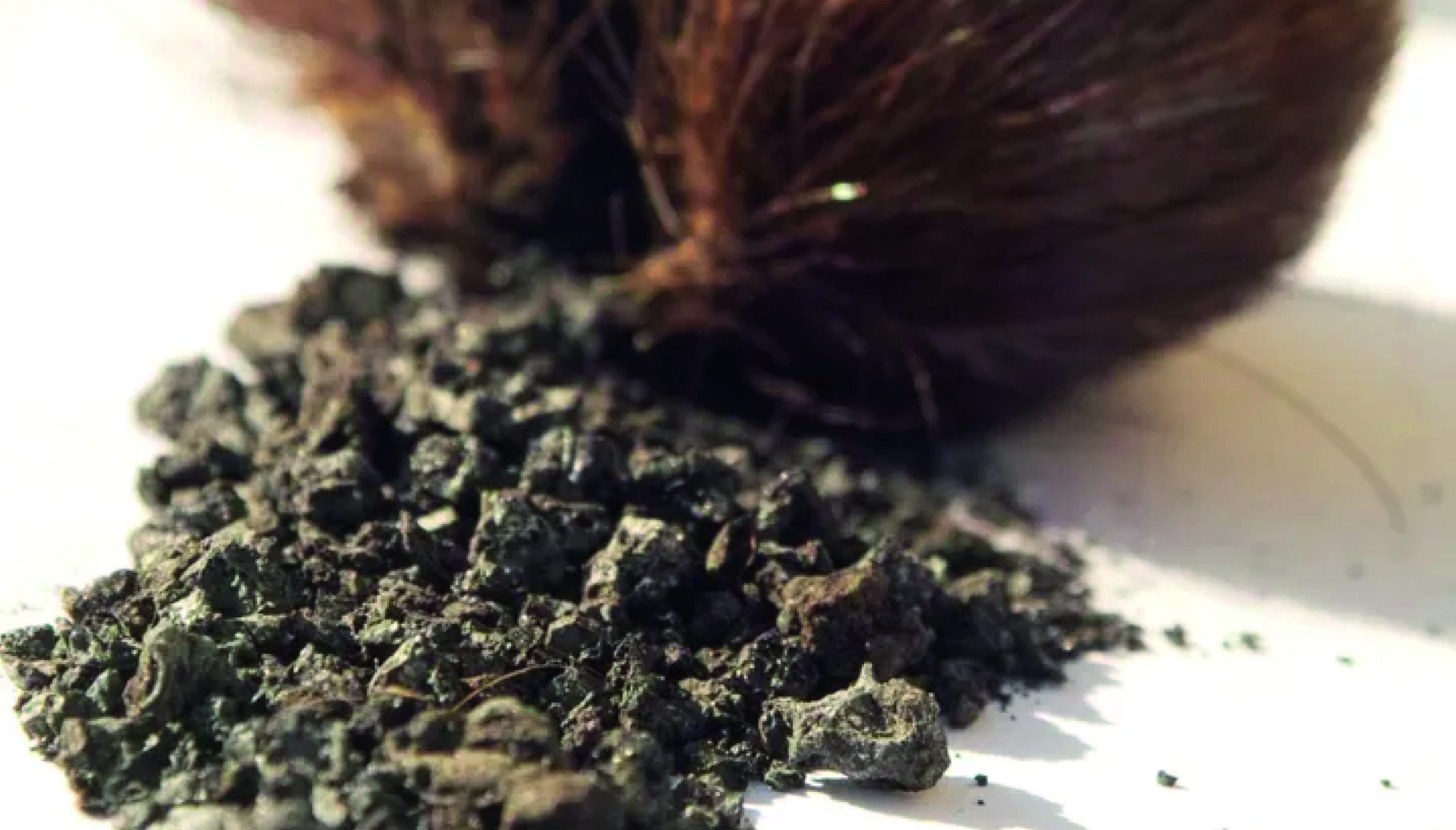
Since classical times, people have used scented ingredients derived from nature to make fragrances. And today, some of these natural ingredients are still used in the perfume-making process, but with a modern manufacturing method. These ingredients are often obtained from animal or plant products and can be produced synthetically.
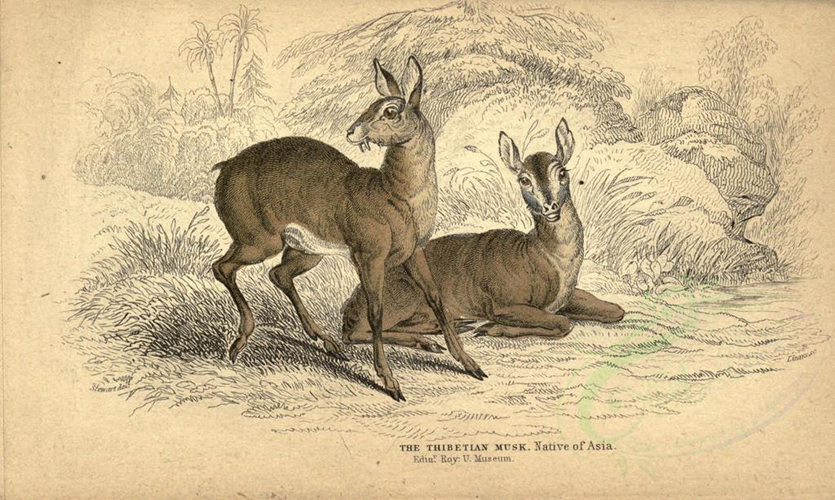
The ingredients that are included in a perfume recipe have a huge impact on the layers of scent included in the fragrance. Although musk has been used in fragrances for centuries, the poignant scent has now become a real popular one, that’s always been an essential component in personal fragrance.
Natural musk is found in animals such as the male musk deer or a cat with musk civet. These animals secrete an unpleasant strong-smelling brown substance from a gland, that once collected and dried into a powder it’s soaked in ethanol for months or maybe years, which brings about an aroma that is a lot more pleasant.! After several months, this solution imparts character, strength, and tenacity to perfume, which carries a light, powdery, woolly, slightly sweet scent and is one of the most expensive raw materials in the world.

The deer is mainly found in Russia and Asia, but countries around the world import it. Therefore, the number of musk deer dwindled, unsurprisingly, because it took 140 musk deer to produce a kilo of perfume ingredient. But its use goes way back: musk makes its first appearance in the 6th Century, brought from India by Greek explorers. Later, the Arabic and Byzantine perfumers (including the famous Al-Kindi) perfected the art of capturing its aphrodisiac powers, and musk’s popularity spread along the silk and spice routes. A well-known German fragrance chemist, Philip Kraft, brilliantly captures musk’s love-it-hate-it complexity.
Embark on a fragrant journey with our premium Arabic perfumes and luxurious perfume gift box, perfect for gifting during holidays, featuring oriental scents and seasonal favorites.
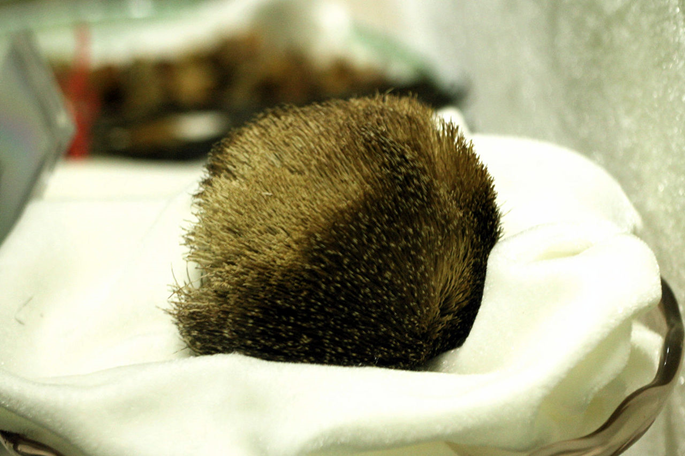
While musk came from animals back in the day, conservation efforts in the modern world led most perfumes that use musk to resort to synthetic manufacturing and to produce the scents traditionally. Not wanting to lose this beautiful scent, synthetic versions have been created using the molecule responsible for musk perfumes smell such as Muscone and other synthetic musks. This has made musk-based perfumes much more common in the market as well. Today, of course, it’s not the natural stuff that perfumers use, but a huge array of synthetic musks, ranging from sweet, powdery musks to almost metallic versions.

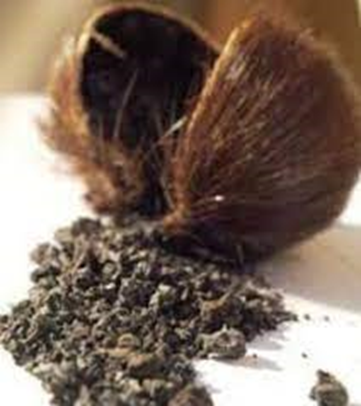
In the world of fragrances, scents tend to fall into certain general camps like earthy, floral, fruity, or sweet. Then, there’s the outlier: musk, which happens to be a unique, distinct fragrance that turns heads and can give people a deep-rooted feeling upon catching a whiff.
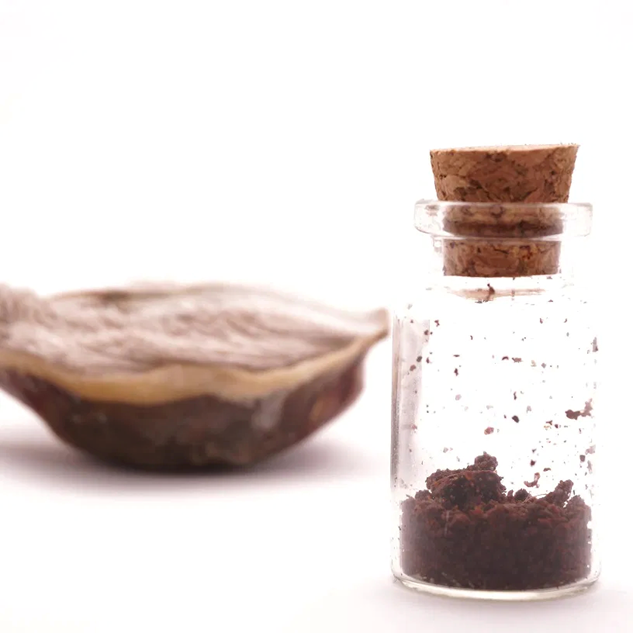
Perfumery musk is molecules with subtle scents but is extremely powerful and essential to any perfume formula, even in small quantities. Overall, Musk is a default oriental note, with a sweet, resinous, cozy, and warm, often rather powdery note recreated from a mix of balsams, usually labdanum, benzoin, vanilla, styrax, and fir or a combination of some of these.
The scent of musk is powerful, captivating, and yet elusive. In the hands of a skilled perfumer, musk is incredibly versatile. It softens and balances the lifetime of other less lingering ingredients, and its essence becomes one with the skin itself. It is a base note in perfume formulas, helping to ground the scent and give a lingering depth and warmth to the fragrance by bringing everything together. Usually, Musk is a commonly used, lasting note ingredient in perfumes, that stays behind after the more volatile notes have shifted on.