


Perfumes & leather have been inseparable, historically. The link between these dates to about 2000 years before the birth of Christ. During that period, in Asia, perfumes were created by rubbing the leather with the bark from fragrant trees like kumquat, whereas later in Spain skins were treated with diverse scents such as earthy musk, amber, or sharp savory camphor, while in Italy they perfumed their leather scent with sweet aspects of almond, iris or civet.

During the period of the Renaissance, leather becomes a symbol of wealth & pride, which made people spend an enormous amount to buy the most attractive tanned items, especially gloves. The tanners were mostly settled in the provincial Grasse in France, & so there was a brisk trade between them and buyers from Italy, mainly Genoa and Pisa. The 16th-century Florentine noblewoman Catherine de Medici received a pair of perfumed leather gloves from the tanner Monsieur Molinard during a visit to Grasse, with which she was delighted with this fragrant keepsake. The perfume he had used to mask the scent of the leather was a blend of lavender, orange blossom, plants, and flowers from the area. This introduced the perfumed glove to France and the corporation of glovers-perfumers was created until its dissolution in 1759. By this century, Italian leather also marked its beginning, which was perfumed with a base of almonds, among other things, and was a discovery made by Marquis Pompeo Frangipani.
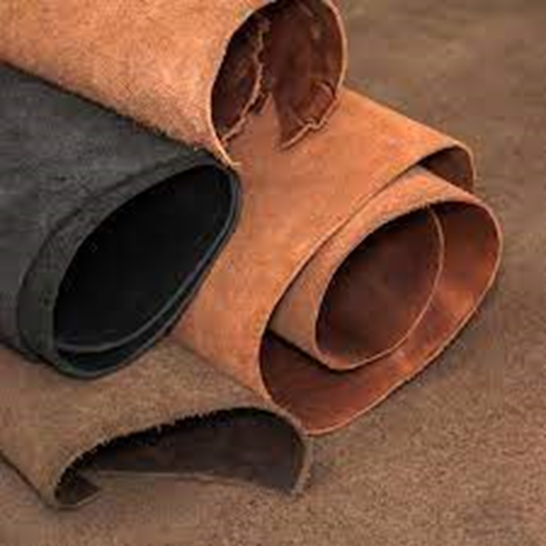
In Spain, the leather was also perfumed with a mixture of herbal and flower oils, and a scent known as Peau d’Espagne (the skin of Spain) was born. In the 19th century, Leather and the art of perfumery spread from France to Russia, where it was customary for dancers and soldiers to polish the leather shoes waterproof with fragrant essences such as birch tar, styrax, tarred scents, and notes of spicy licorice and herbaceous and slightly mossy tobacco as well.! This development led to the creation of Guerlain’s Cuir de Russie in 1872, and many other well-known houses would market their own ‘Cuir de Russie’, which was eventually launched as a separate fragrance family.
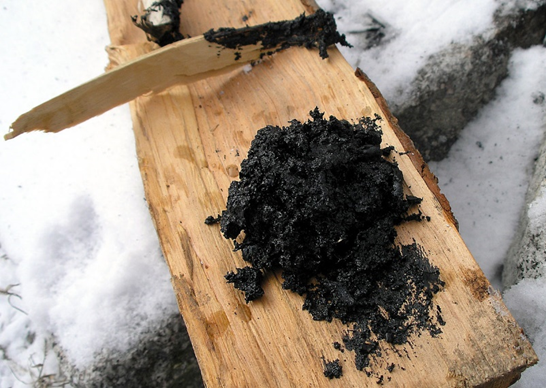
Earlier to bring a leather facet to a composition, birch tar oil was used. The Tar, or birch pitch, is a substance that is hermetically created by heating birch bark, & obtains a pasty substance composed of tar and ashes from the bark. In perfumery, this birch tar essence is obtained by long dry steam distillation of this substance. This essence evokes the olfactory sensation of a wood fire, with warm and smoky notes. Instead of birch bark, Cade essence can also be used. This tree also called cade juniper, grows mainly in the coastal regions of the Mediterranean, from Morocco to Iran. An essence with a very powerful smoky scent is created with its distilled wood and roots. The essence of agar, the main constituent of oud wood, can also be used to create leathery notes.
Nowadays leather accord is created in several ways, with birch tar, castoreum, styrax, oud, labdanum, quinolines, or synthetic accords., along with some flowers which also have leathery facets, particularly warm, honeyed, and balsamic cassia.

The fragrance family of leather is Woody with the leather perfumes, apt for everyone, and so this fragrance family is equally loved by both men and women. Tough, elegant, animalistic, or seductive: everything is possible. The leathery olfactory family has an atypical scent that reproduces the notes & can take on different facets: smoky, tarry, burnt, or even shades of tobacco. A leathery note in a perfume renders a unique touch to any fragrance because it evokes potent associations, revealing itself as silky facets that render the sensation of floral and apricot tones, while vegetable leather is making its way into the world of textiles.
Thanks.